Hailstorms are unpredictable, and even a few minutes of heavy hail can leave your vehicle covered in dents. After such an event, many car owners are unsure about insurance coverage and the repair process. Understanding how insurance works for hail damage can save you time, money, and stress.
In this article, we’ll explain what you need to know about insurance, filing claims, and choosing the right repair method to restore your car.
Does Insurance Cover Hail Damage?
The good news is that most comprehensive auto insurance policies do cover hail damage. However, coverage can vary depending on your policy, the deductible, and the type of vehicle you own.
Key points to check in your policy:
Comprehensive coverage: Only policies labeled “comprehensive” typically cover hail.
Deductibles: Check how much you’ll pay out-of-pocket before insurance kicks in.
Limits and exclusions: Some policies limit coverage for cosmetic damage or may have specific exclusions.
Claim timeline: Many insurers require claims to be filed within a certain period after the damage occurs.
Understanding these details before filing a claim ensures that you get the maximum benefit from your insurance.
Steps to File a Hail Damage Claim
Filing an insurance claim for hail damage doesn’t have to be complicated. Follow these steps to make the process smooth and efficient:
1. Document the Damage
Take clear, high-resolution photos of all affected areas.
Include close-ups of dents as well as wider shots of the entire car.
Make notes of any minor scratches or paint chips.
2. Contact Your Insurance Company
Notify your insurer as soon as possible after the hailstorm.
Provide them with photos, vehicle information, and policy details.
Ask if they require an in-person inspection.
3. Get Repair Estimates
Many insurance companies will recommend or require certified repair shops.
Obtain at least one or two quotes to ensure the estimate is reasonable.
4. Choose a Professional Repair Method
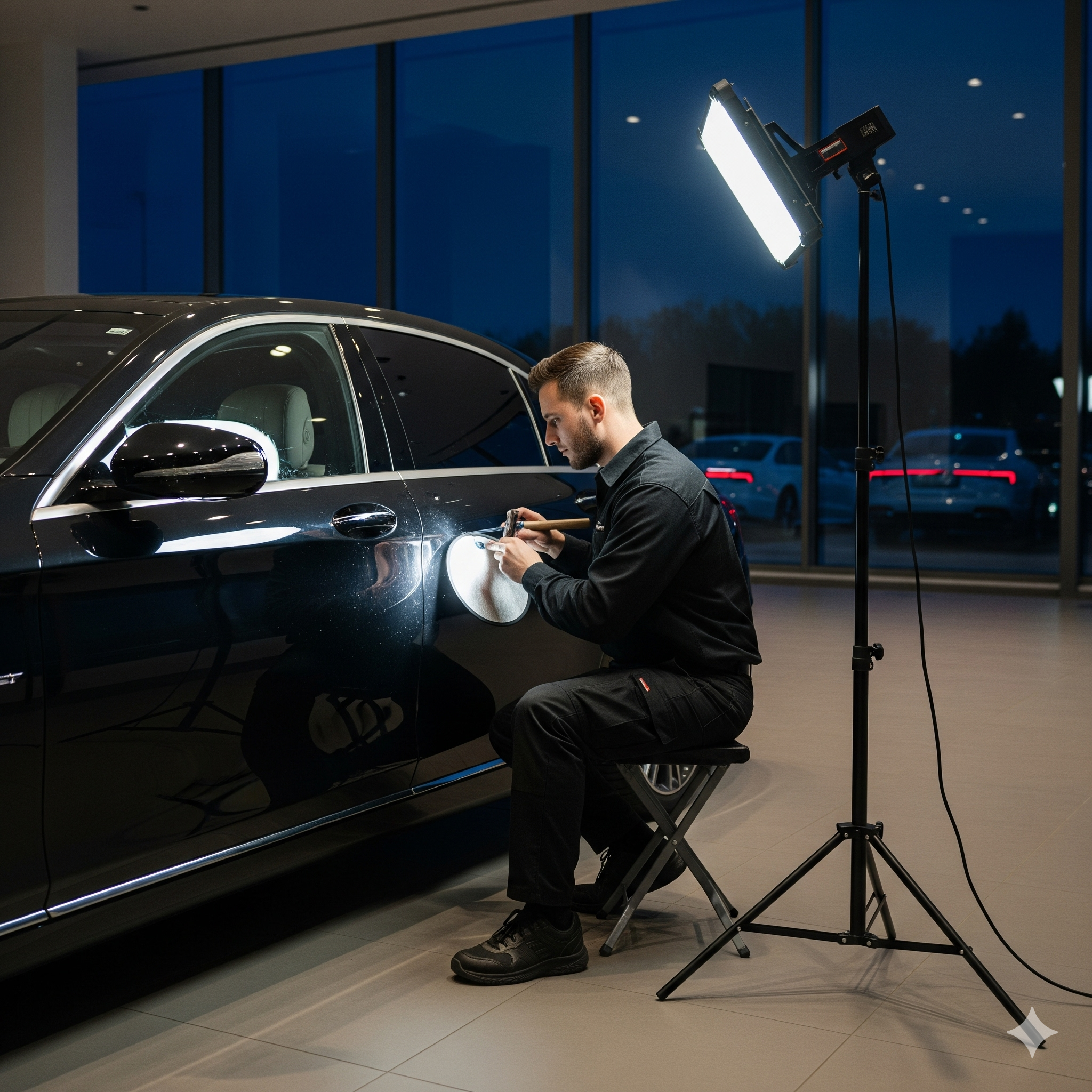
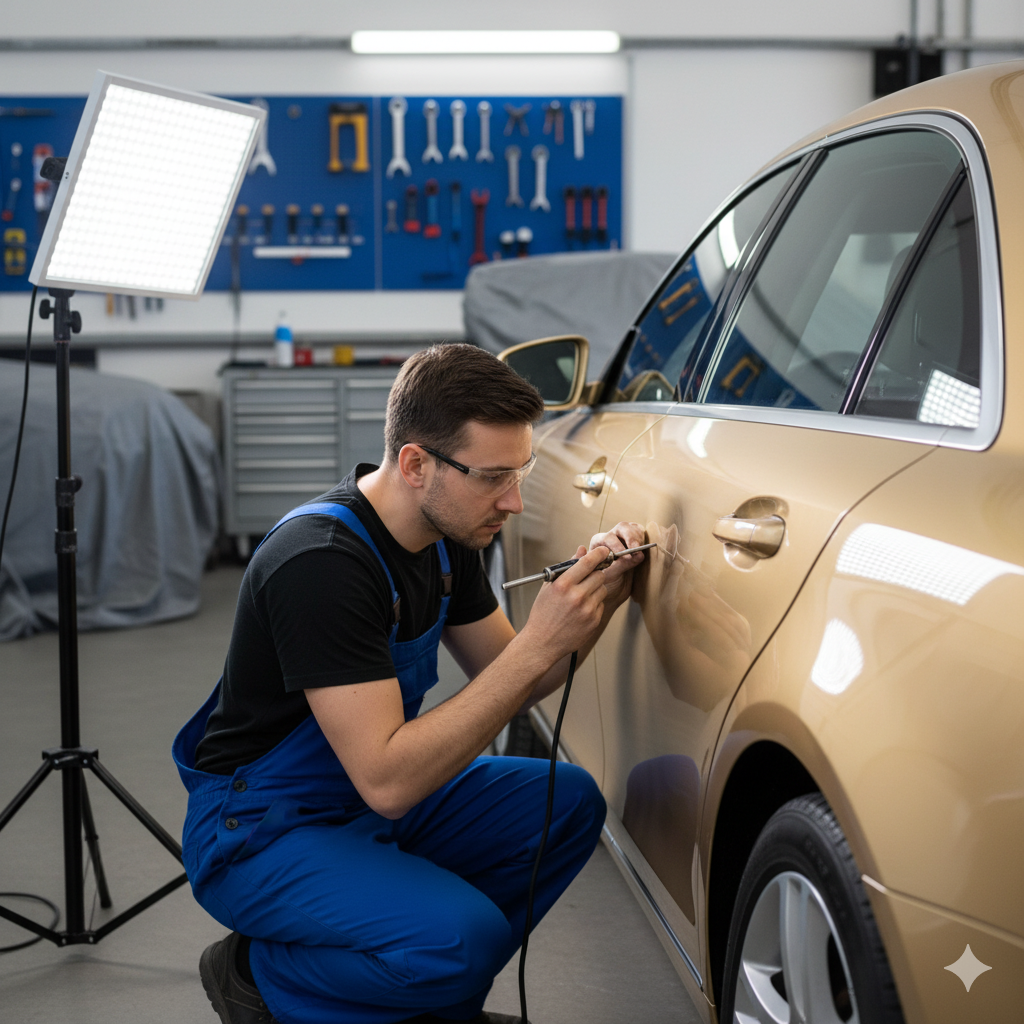
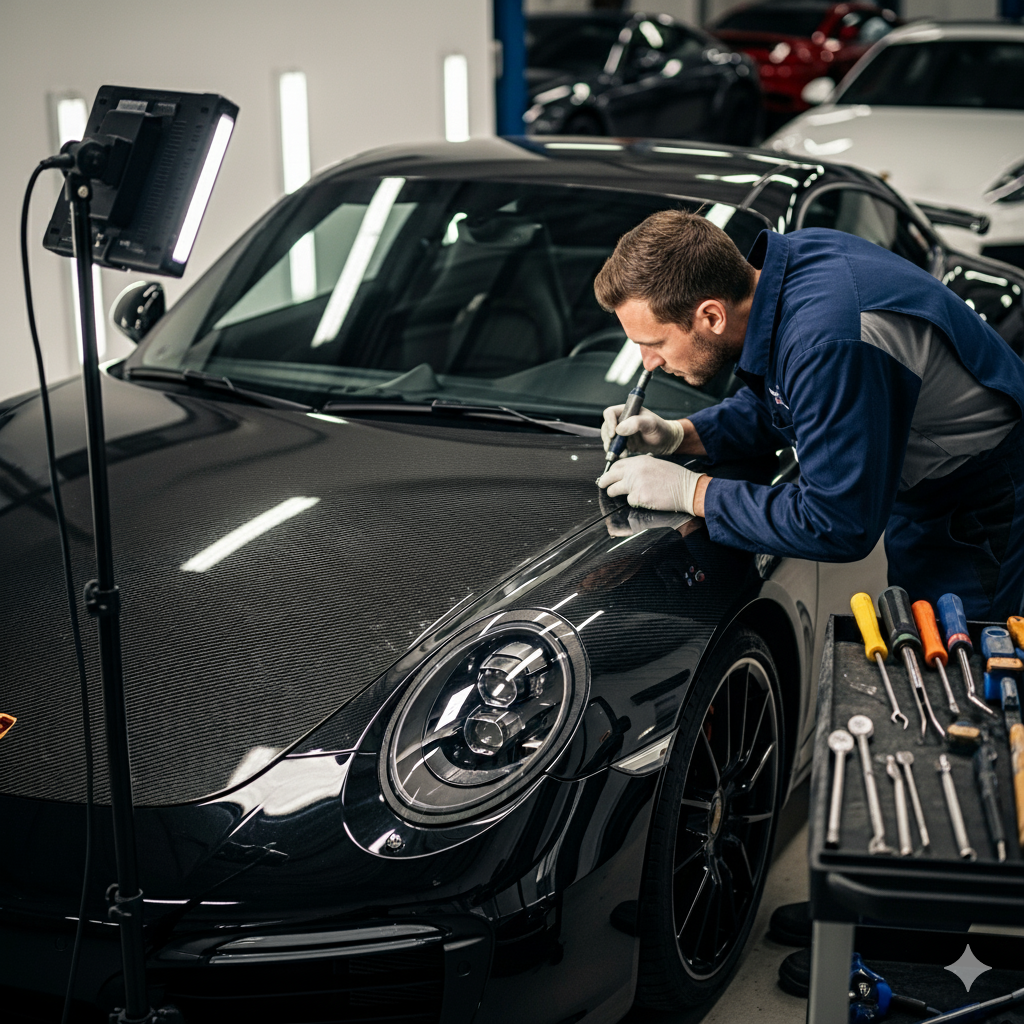
Paintless Dent Repair (PDR) is often preferred by insurers because it’s cost-effective and preserves the factory finish.
Ensure the repair shop provides a warranty for their work.
5. Submit Your Claim
Provide all documentation, including repair estimates and photos.
Keep a copy of all correspondence for your records.
Tips for a Hassle-Free Insurance Experience
Track Weather Alerts
Knowing in advance about hailstorms can help you move your car to a safe location, reducing potential damage.
Understand Your Deductible
Your deductible is the amount you pay out-of-pocket before insurance covers the rest. Choosing a lower deductible may cost more in premiums but saves money if a hailstorm occurs.
Use Recommended Repair Shops
Insurers often have preferred shops experienced in PDR. Using these shops can simplify the claim process and speed up repairs.
Keep All Records
Invoices, photos, and communication with your insurance company are important for future reference, resale, or warranty claims.
Why Paintless Dent Repair (PDR) Is Preferred by Insurers
Many insurance companies recommend PDR because it is:
Faster – Repairs can often be completed in hours.
Cost-effective – Less expensive than traditional repainting and bodywork.
Preserves value – Maintains the original factory finish of the car.
Eco-friendly – No paint or chemical waste.
Using PDR not only ensures high-quality repair but also helps your insurance claim go smoothly, as insurers often prefer certified PDR repairs.
Common Questions About Hail Damage Claims
Q1: Can I claim hail damage if my car has minor dents?
Yes, even small dents can be claimed if your policy covers comprehensive damage.
Q2: What if my car is leased?
Leased vehicles usually require repairs through approved methods. Check with both the leasing company and insurance provider.
Q3: How long does it take for the insurance to process a hail claim?
It varies, but most claims are processed within a few days to a couple of weeks if all documentation is provided.
Final Thoughts
Hail damage can be stressful, but with the right knowledge, filing an insurance claim and getting your car repaired doesn’t have to be. By understanding your coverage, documenting damage properly, and choosing professional PDR services, you can:
Restore your car quickly and efficiently.
Maintain your vehicle’s resale value.
Minimize out-of-pocket costs.