Hailstorms are unpredictable — in just a few minutes, a storm can leave dozens or even hundreds of dents scattered across your car’s hood, roof, and trunk. Many vehicle owners assume these dents are “just cosmetic” and can be ignored. But the truth is, unrepaired hail damage can significantly reduce your car’s resale value and even cause long-term issues if not fixed.
Let’s break down exactly why hail damage matters, how it impacts your car’s worth, and what you can do to protect your investment.
Why Hail Damage Shouldn’t Be Ignored
A small dent may look harmless, but when selling or trading in your car, buyers and dealerships notice every flaw. Even if the car runs perfectly, visible dents can create the impression that the vehicle has not been well-maintained.
Key reasons hail dents reduce car value:
First impressions: A dented exterior immediately makes a vehicle look older and less cared for.
Dealer negotiations: Car dealers will always reduce trade-in offers if hail dents are visible.
Private buyers: Potential buyers may think the car was in a more serious accident.
Insurance considerations: Some insurers may lower coverage value if existing damage is left unrepaired.
How Much Value Can You Lose?
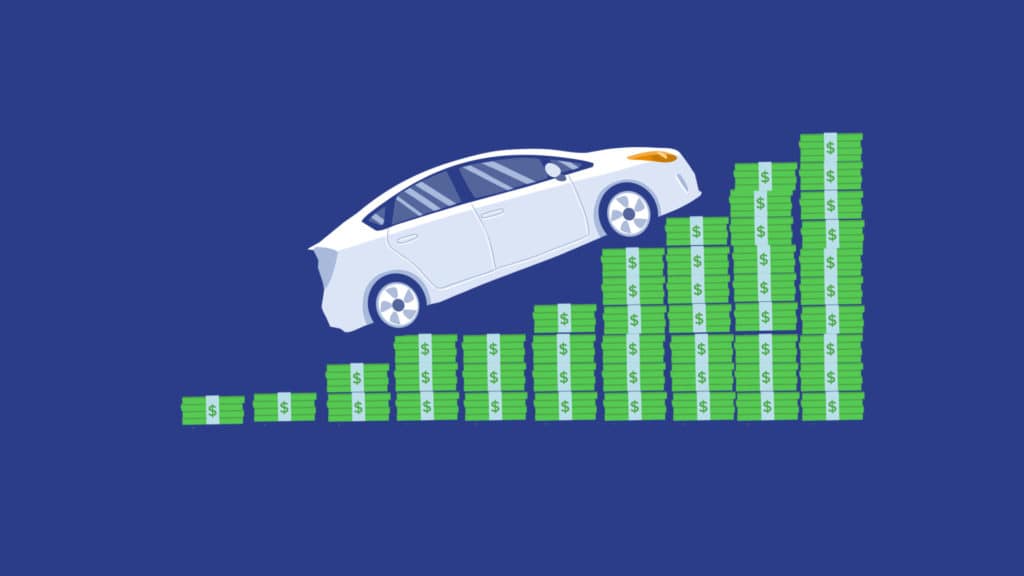
The reduction in value depends on the severity of the hail damage, but industry estimates show:
Minor dents across multiple panels can lower resale value by 10%–15%.
Severe hail damage with paint cracks can reduce value by 20% or more.
For high-end or luxury vehicles, the loss can be thousands of dollars.
This means that ignoring hail damage today can cost you far more when it’s time to sell or trade your car.
The Smart Solution – Paintless Dent Repair (PDR)
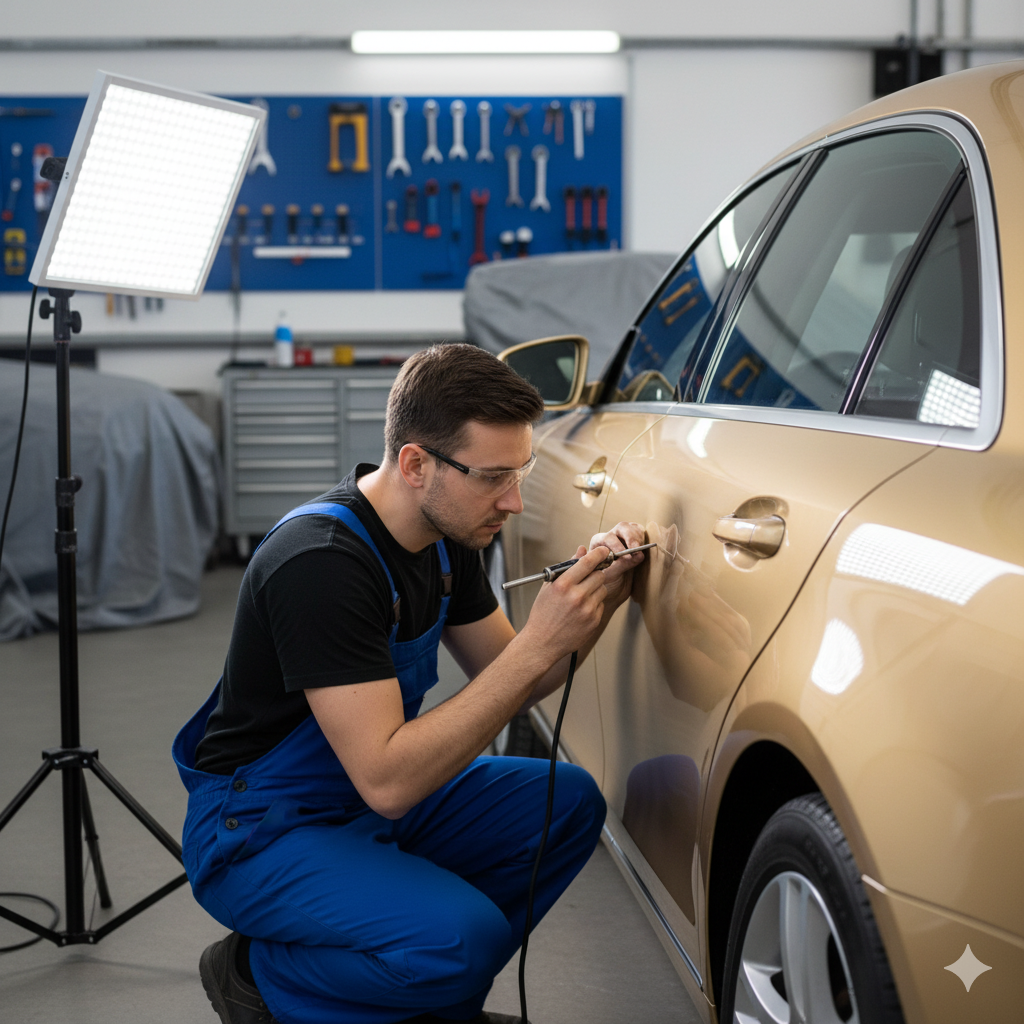
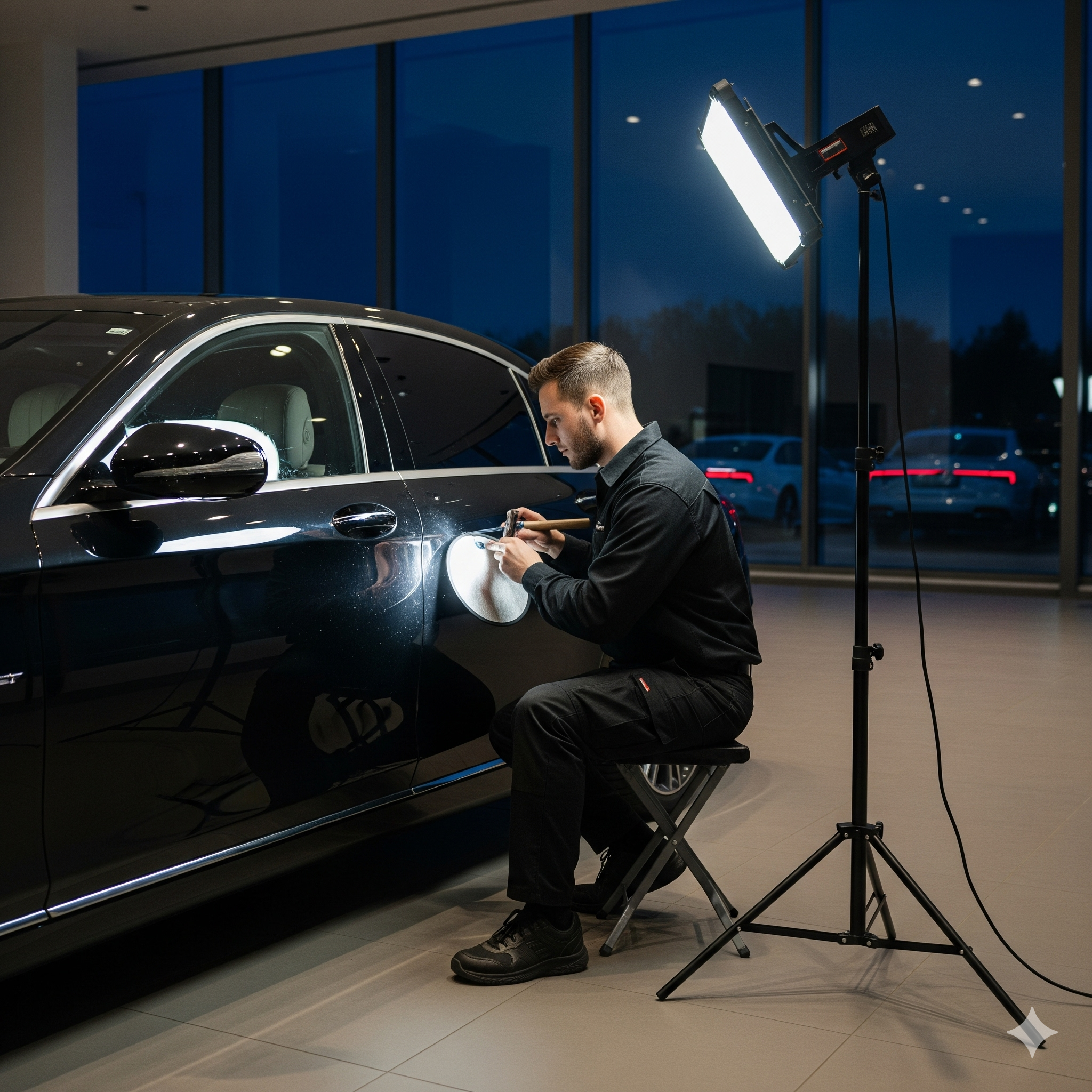
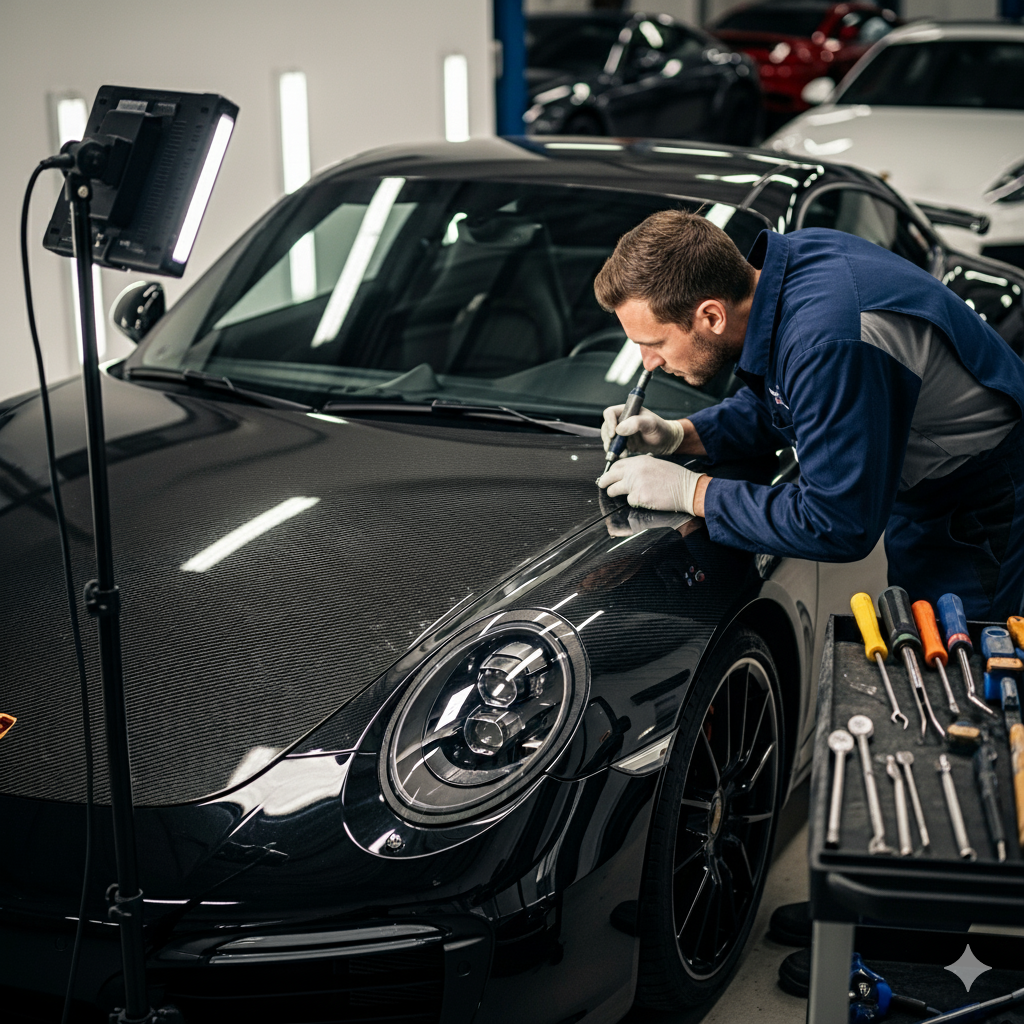
The best way to protect your car’s value is through Paintless Dent Repair (PDR), a modern technique that removes dents without repainting or using fillers.
Why PDR helps preserve resale value:
Factory finish stays intact – Buyers and dealers value cars with original paint.
Fast turnaround – Most repairs take hours instead of days.
Cost-effective – Usually less expensive than traditional bodywork.
Eco-friendly – No chemicals or repainting involved.
By restoring the panels back to their smooth, original shape, PDR ensures your car looks as if the storm never happened.
Long-Term Risks of Ignoring Hail Damage
Leaving dents untreated isn’t just about appearance — it can lead to other issues over time.
Rust formation: Even if the paint isn’t cracked, dents weaken the protective surface.
Paint peeling: Small cracks from hail impacts can spread.
Lower insurance payout: Future accident claims may be valued less because of existing damage.
Permanent value loss: Once the dents remain too long, full restoration may become more difficult.
How to Protect Your Investment
1. Act Quickly
Get your car inspected as soon as possible after a hailstorm. Early detection ensures easier and cheaper repairs.
2. Use Insurance
Most comprehensive insurance policies cover hail damage repair. File your claim promptly and request PDR if available.
3. Choose a Trusted Repair Shop
Not all dent repairs are equal. Always look for certified technicians who specialize in hail dent repair.
4. Keep Repair Records
When selling your car, having repair invoices proves the damage was professionally fixed. This builds trust with buyers.
Final Thoughts
Your car is more than just transportation — it’s an investment. Ignoring hail dents may feel like saving money now, but in reality, it could cost you thousands later when trading or selling your vehicle.
By choosing professional hail dent repair services, especially Paintless Dent Repair, you safeguard your car’s value, prevent long-term damage, and maintain that polished, factory-fresh look.